SUNMI K2 Guide: Solving Long Checkout Lines With Smart Kiosks

Retail stores, restaurants, and service environments often face the challenge of long checkout lines during peak hours. These delays can frustrate customers and reduce overall operational efficiency for businesses trying to serve large volumes of visitors. Modern self-service technology offers an effective solution to these challenges. In many high-traffic locations, SUNMI K2 has emerged as a reliable kiosk system designed to simplify ordering and payment processes. By allowing customers to complete transactions independently, businesses can reduce waiting times and improve service speed. Understanding how smart kiosk technology works can help organizations improve customer satisfaction and streamline everyday operations.
The Role of Self-Service Technology in Modern Retail
Customer expectations have changed significantly as digital technology continues to reshape the retail and hospitality landscape. Shoppers increasingly expect faster service, flexible payment options, and minimal waiting time when completing purchases. Businesses are therefore adopting self-service systems to meet these evolving demands.
In many modern service environments, SUNMI K2 helps businesses introduce automated ordering and checkout experiences that reduce pressure on traditional cashier counters. Self-service kiosks allow customers to browse menus, select products, and complete transactions directly on the screen. This approach helps businesses serve more customers simultaneously while maintaining consistent service quality during busy periods.
How Smart Kiosks Reduce Checkout Bottlenecks
Checkout congestion often occurs when large numbers of customers arrive at service counters at the same time. During lunch rush hours, promotional sales, or holiday shopping seasons, even well-staffed counters may struggle to keep up with demand.
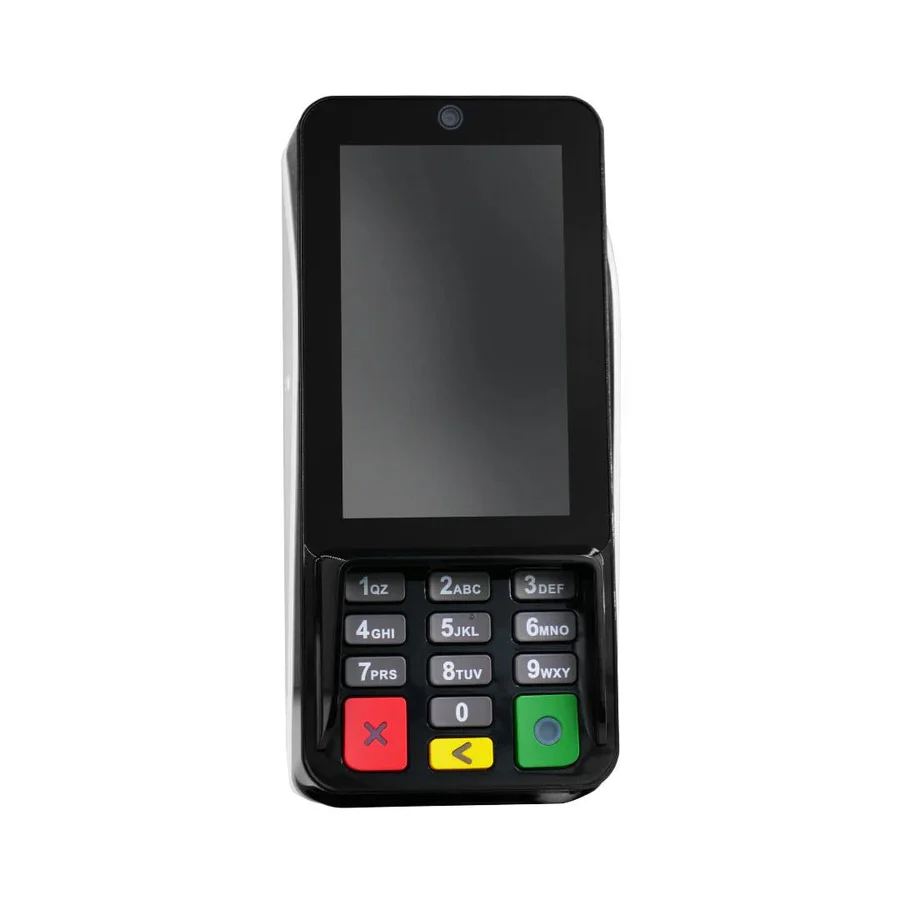
Installing a SUNMI K2 kiosk allows businesses to create additional service points without significantly increasing staffing requirements. Customers can independently place orders, scan products, or complete payments through the kiosk interface. By distributing transactions across multiple kiosks, businesses can reduce the formation of long queues and accelerate the overall checkout process. This improvement helps maintain smoother customer flow throughout the store or service location.
Enhancing Customer Convenience and Experience
Convenience is a key factor influencing customer satisfaction in modern retail environments. Self-service kiosks empower customers by giving them control over how and when they complete transactions. Instead of waiting for assistance from staff, customers can move through the purchasing process at their own pace.
In locations where SUNMI K2 systems are deployed, customers benefit from clear touch-screen interfaces and intuitive navigation. The interactive display allows users to browse options easily, customize orders, and review payment details before completing a purchase. This self-directed experience often results in greater satisfaction because customers feel more in control of their transactions while avoiding unnecessary waiting time.
Supporting Operational Efficiency for Businesses
Beyond improving customer convenience, kiosk technology also helps businesses manage operations more efficiently. Staff members who previously handled repetitive checkout tasks can shift their attention toward customer service, inventory management, or other essential responsibilities.
Businesses that integrate SUNMI K2 into their workflow often experience improved operational balance during peak hours. Instead of relying solely on cashier stations, the kiosk system distributes customer transactions across multiple service points. This approach reduces congestion at checkout counters and allows employees to focus on providing personalized assistance where it is most needed.
Conclusion
Long checkout lines can negatively affect both customer satisfaction and operational productivity. Businesses seeking to improve service efficiency often benefit from implementing modern self-service solutions that reduce wait times and streamline transactions. Many businesses continue to adopt innovative solutions like the kiosk SUNMI K2 to modernize checkout processes and create more efficient service environments. Smart kiosks provide a practical way to distribute customer activity across multiple service points while maintaining smooth operational flow. When properly integrated into service environments, kiosk technology allows organizations to deliver faster and more convenient customer experiences.


Comments
Post a Comment