Credit Card Readers: What Every Business Owner Needs to Know

In today’s fast-paced business environment, offering convenient payment options is essential for keeping customers satisfied and maintaining steady revenue. Credit card readers are a key tool for businesses of all sizes, enabling secure, efficient, and flexible payment processing. For business owners, understanding the types of credit card readers, their features, and how to choose the right one can have a significant impact on operations and customer experience.
1. The Importance of Credit Card Readers for Businesses
Accepting credit card payments is no longer optional; it’s a standard expectation for customers. Studies show that businesses that offer multiple payment options experience higher sales and improved customer satisfaction. Credit card readers allow businesses to process payments quickly, reduce cash handling risks, and streamline accounting and reporting.
Whether you run a small café, retail store, or service-based business, integrating a reliable credit card reader ensures you can meet customer demands efficiently and securely.
2. Types of Credit Card Readers
There are several types of credit card readers available, each suited for different business needs:
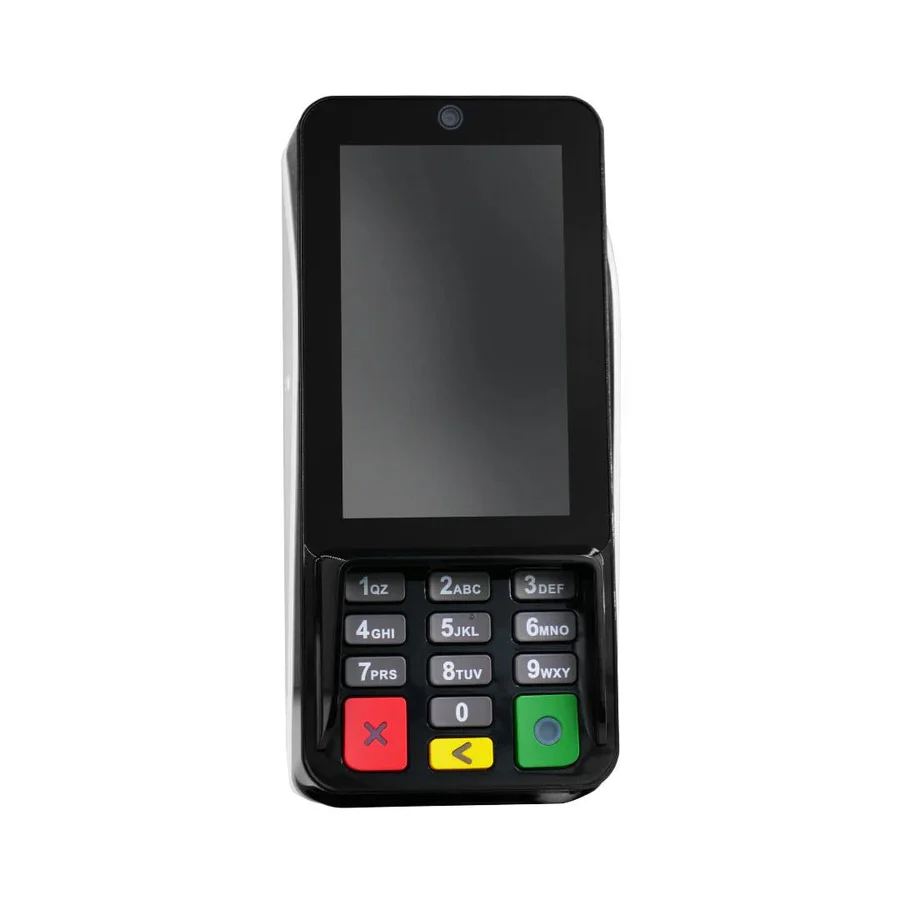
Countertop Terminals: Traditional card readers that remain at the point of sale. Ideal for retail stores and restaurants with fixed locations.
Mobile Readers: Compact devices that connect to smartphones or tablets, perfect for businesses that operate on-the-go, such as food trucks or market stalls.
Contactless/NFC Readers: Enable payments via tap-to-pay cards or mobile wallets like Apple Pay and Google Pay, offering faster transactions and convenience.
Integrated POS Systems: Credit card readers built into point-of-sale systems, providing inventory management, customer tracking, and sales reporting alongside payment processing.
Understanding the differences between these readers helps business owners select the right solution based on location, customer volume, and transaction needs.
3. Security Features to Look For
Security is a critical consideration when choosing a credit card reader. Modern readers come equipped with advanced encryption and compliance with Payment Card Industry (PCI) standards. Key security features include:
EMV Chip Technology: Protects against counterfeit fraud.
End-to-End Encryption: Secures cardholder data during transmission.
Tokenization: Converts sensitive data into unique tokens to prevent theft.
Selecting a secure credit card reader helps safeguard your business and builds customer trust.
4. Evaluating Processing Costs
Business owners should carefully evaluate the costs associated with credit card readers, including:
Transaction fees
Monthly service fees
Hardware or setup costs
Comparing different providers can help you find a cost-effective solution that fits your business model while maintaining reliable payment processing.
5. Mobile Compatibility and Connectivity
Mobile compatibility is increasingly important, especially for small businesses, pop-up shops, and service providers. Mobile credit card readers connect to smartphones or tablets via Bluetooth or audio jack, offering flexibility without the need for a traditional POS setup. Ensuring your reader is compatible with your devices and reliable internet or cellular connectivity is crucial for uninterrupted service.
6. Ease of Use and Customer Experience
A credit card reader should simplify transactions for both staff and customers. Features like touchscreens, user-friendly interfaces, fast processing speeds, and contactless payment options enhance customer satisfaction. The goal is to minimize wait times and streamline the checkout experience, leaving a positive impression that encourages repeat business.
7. Integration with Business Tools
Many credit card readers can integrate with accounting software, inventory management systems, and loyalty programs. Integration saves time on bookkeeping, improves efficiency, and provides insights into customer behavior. Choosing a reader with compatible software can enhance overall business operations and help you make data-driven decisions.
Final Thoughts
Credit card readers, or a reliable card payment machine, are essential tools for modern businesses, providing secure, convenient, and efficient payment processing. By understanding the types of readers available, evaluating security features, considering costs, and prioritizing customer experience, business owners can make informed decisions that support growth and operational efficiency. Choosing the right card payment machine is not just about accepting payments—it’s about enhancing your business, building trust, and creating a seamless experience for every customer.


Comments
Post a Comment