How MagTek Card Readers Safeguard Customer Data?

In today’s digital-first economy, secure payment processing is essential for every business. Customers expect quick, seamless checkout experiences—but even more importantly, they expect their financial data to remain protected. Cyberattacks, skimming attempts, and payment fraud are more sophisticated than ever, making advanced security technology a necessity. This is where modern secure card readers play a vital role in protecting sensitive information during each transaction.
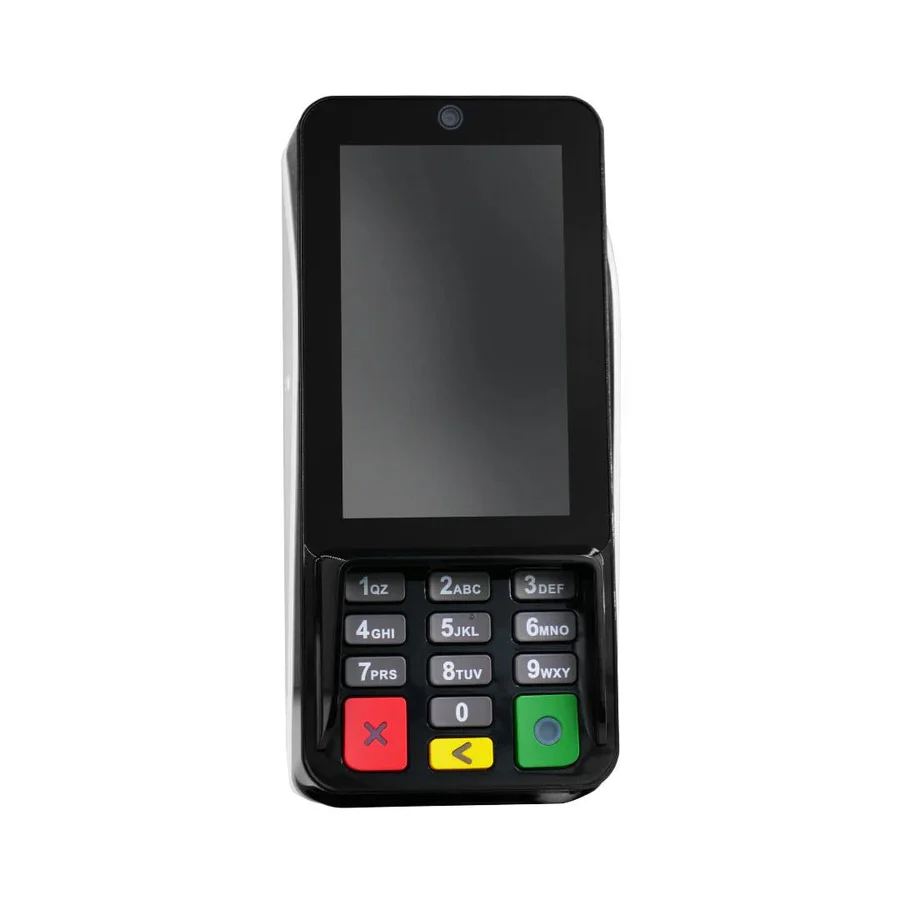
Among the most trusted solutions in the industry are devices that prioritize encryption, real-time authentication, and hardware-level protection. Midway through this discussion, it’s worth noting that the MagTek card reader is widely recognized for setting industry standards in secure payment technology.
Why Data Security Matters in Digital Payments
When customers swipe, tap, or insert their payment cards, they trust businesses to safeguard their information. A single breach can lead to:
Financial losses for customers
Legal penalties for businesses
Damaged brand reputation
Loss of customer trust and revenue
Because payment data travels between multiple systems—card readers, payment processors, banks—every step offers an opportunity for hackers to intercept sensitive information. That’s why businesses must rely on payment devices engineered for security from the inside out.
Core Security Features That Protect Customer Data
MagTek card readers incorporate several layers of security designed to prevent unauthorized access, tampering, and data theft. Here’s how they keep customer information safe:
1. End-to-End Encryption (E2EE)
One of the most critical security mechanisms is E2EE. This ensures that cardholder data is encrypted at the moment of capture and stays encrypted until it reaches the payment processor.
Hackers cannot interpret the data even if intercepted.
Encryption keys are securely managed and inaccessible to merchants or attackers.
This minimizes the risk of data exposure during transmission.
2. Tokenization for Added Protection
Tokenization replaces actual card numbers with randomly generated tokens.
Even if a hacker obtained the token, it would be useless.
Tokens cannot be reverse-engineered to reveal the original card information.
This method is especially useful for recurring payments and card-on-file systems.
3. Secure Magnetic Stripe and EMV Transaction Technology
Secure devices support EMV chip transactions, which are significantly harder to counterfeit than traditional magnetic stripe cards.
EMV technology generates a unique transaction code each time a card is used.
This makes duplicated or stolen card data ineffective.
For businesses still accepting magnetic stripe cards, built-in fraud detection helps alert merchants to suspicious transactions.
4. Tamper-Resistant Hardware
MagTek card readers include physical protections that make tampering nearly impossible.
Devices automatically shut down if opened or manipulated.
Internal data is wiped instantly in case of tampering attempts.
Sensors detect drilling, voltage fluctuations, or physical interference.
Hardware security is essential in preventing skimming and cloning devices.
5. Compliance With Industry Standards
Secure card readers follow strict global and national standards:
PCI PTS for physical security
PCI DSS for handling payment data
EMVCo for chip security protocols
Compliance ensures that businesses meet legal requirements and avoid expensive penalties.
6. Real-Time Fraud Prevention Tools
Beyond encryption and hardware protection, advanced payment readers include built-in intelligence systems that:
Detect anomalies in card behavior
Flag unauthorized access attempts
Identify counterfeit cards
Block suspicious transactions
These features reduce fraud risk before a transaction is even completed.
How These Security Benefits Help Businesses
Using secure MagTek card readers has direct, measurable benefits for merchants:
Reduced chargebacks and fraud-related losses
Lower risk of security breaches
Compliance with regulatory requirements
Greater customer trust and brand loyalty
Smooth, fast, dependable payment experiences
With payment fraud increasing globally, adopting secure hardware is not just an option—it's an essential investment for long-term business stability.
Conclusion
Modern secure card readers are designed with multiple layers of defense to protect sensitive cardholder information. From advanced encryption to tamper-proof design and real-time fraud detection, these devices ensure every transaction is safe, compliant, and trustworthy. Businesses that prioritize secure payment technology not only reduce their exposure to fraud but also demonstrate a commitment to customer safety and confidence.
For merchants looking to elevate their payment security even further, pairing secure readers with a reliable card payment machine ensures a complete, end-to-end protected checkout experience.


Comments
Post a Comment