What Is the Importance of Understanding Point of Sale (POS) for Business Success

In today’s fast-paced business environment, efficiency and accuracy in transactions are critical for success. Every business, whether retail, restaurant, or service-based, relies on a reliable Point of Sale (POS) for business to streamline sales, manage inventory, and provide a seamless experience for customers. Understanding how a POS system works and how to leverage it effectively can significantly impact a company’s operational efficiency and profitability.
A POS system is much more than a cash register. Modern solutions integrate payment processing, inventory management, customer relationship management, and analytics into a single platform.
What is a POS System?
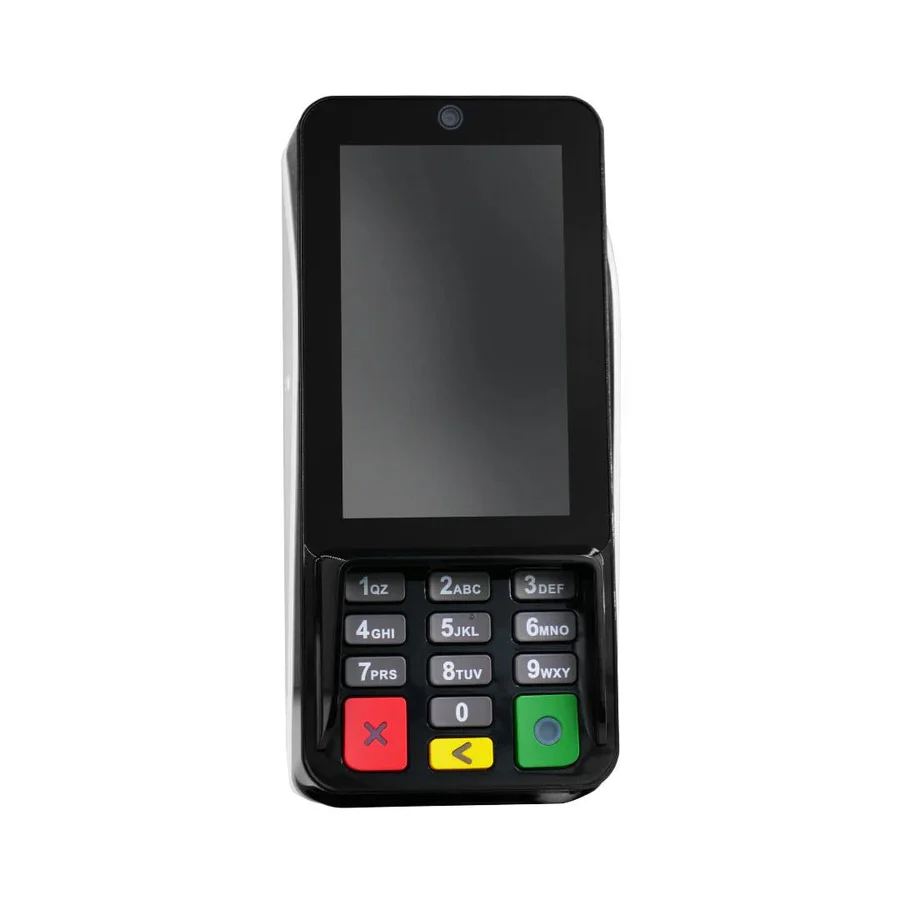
A Point of Sale system is a combination of hardware and software that allows businesses to process sales transactions. At its simplest, a POS system records purchases and manages cash flow. However, today’s POS systems are more sophisticated, offering a variety of features that go beyond basic payment processing.
Components of a modern POS system often include:
Hardware: Terminals, barcode scanners, receipt printers, cash drawers, and payment devices.
Software: Inventory management, employee tracking, customer data collection, and analytics.
Payment Processing: Secure credit/debit card processing, mobile payments, and contactless transactions.
By integrating these components, a POS system allows businesses to operate more efficiently, reduce human errors, and gain insight into sales trends and customer behavior.
Key Benefits of a POS System for Businesses
Investing in a reliable POS system provides multiple advantages for small businesses and larger enterprises alike.
1. Streamlined Payment Processing
A POS system makes payment processing fast, accurate, and secure. Whether customers pay by cash, card, or mobile wallet, the system ensures that transactions are recorded correctly. This reduces the chances of human error and simplifies end-of-day reconciliations, giving business owners peace of mind.
2. Enhanced Inventory Management
One of the standout features of modern POS systems is inventory tracking. Businesses can monitor stock levels in real-time, automatically update quantities after sales, and receive alerts when items run low. This reduces the risk of overstocking or stockouts, allowing better financial planning and more efficient use of storage space.
3. Customer Relationship Management (CRM)
A POS system also functions as a CRM tool. By tracking customer purchases, businesses can identify buying patterns, offer personalized promotions, and build loyalty programs. This leads to increased repeat business, stronger customer relationships, and higher long-term revenue.
4. Employee Management
Many POS systems include tools to manage employee schedules, track hours, and monitor performance. This functionality helps streamline operations, optimize labor costs, and identify staff strengths or areas that require training.
5. Data Analytics and Reporting
POS systems generate detailed sales reports and analytics. Business owners can track which products are performing well, identify peak sales periods, and make informed decisions about pricing, promotions, and inventory. For small businesses, this data can be invaluable in guiding growth strategies and improving profitability.
How Understanding POS Systems Contributes to Business Success
While purchasing a POS system is a step in the right direction, understanding how to fully utilize it is what sets successful businesses apart. Proper training and system integration allow business owners to leverage every feature effectively, from sales tracking to customer engagement.
Businesses that understand their POS system can:
Optimize inventory levels and reduce waste.
Identify sales trends and adjust marketing strategies accordingly.
Enhance the customer experience with faster checkout and personalized offers.
Simplify compliance and record-keeping with accurate financial reporting.
Essentially, a strong grasp of POS functionality helps businesses operate smarter, not harder, giving them a competitive edge in crowded markets.
Tips for Small Businesses Selecting a POS System
Choosing the right POS system is critical for maximizing its benefits. Small businesses should consider:
Ease of use: A user-friendly system reduces training time and prevents errors.
Scalability: The system should grow with the business, supporting multiple locations or online sales.
Integration: It should seamlessly integrate with accounting software, e-commerce platforms, and other business tools.
Security: Robust encryption and compliance with payment standards ensure customer data protection.
Support and maintenance: Reliable customer service and regular software updates are essential for long-term success.
Investing time to understand the system before implementing it ensures smoother adoption and a faster return on investment.
Conclusion
Understanding and implementing a Point of Sale (POS) for business is no longer optional—it is essential for operational efficiency and business growth. A well-chosen POS system streamlines payment processing, manages inventory, supports customer relationships, and provides valuable insights through reporting and analytics.
For small businesses, leveraging a POS system effectively can mean the difference between struggling with manual processes and running a modern, data-driven operation. With the right tools and knowledge, businesses can improve productivity, enhance customer experiences, and make smarter, informed decisions. Investing in a reliable POS system today sets the stage for long-term success and sustainable growth in an increasingly competitive market.


Comments
Post a Comment