How Restaurants Benefit From A Point Of Sale (Pos) System For Business

In today’s fast-paced hospitality industry, efficient operations and accurate transactions are critical for success. A Point of Sale (POS) for business provides restaurants with a comprehensive solution to manage orders, payments, inventory, and customer interactions. Modern POS systems go far beyond traditional cash registers by integrating software, hardware, and analytics, enabling restaurant owners to streamline processes, reduce errors, and improve profitability.
Key Features Of A POS System
A restaurant POS system offers a variety of features that cater specifically to the needs of small to large foodservice operations:
Order Management
POS systems allow staff to take orders quickly and accurately, whether at the counter, table, or via online platforms. Digital order tracking reduces human errors, ensures timely delivery, and improves the overall dining experience.
Payment Processing
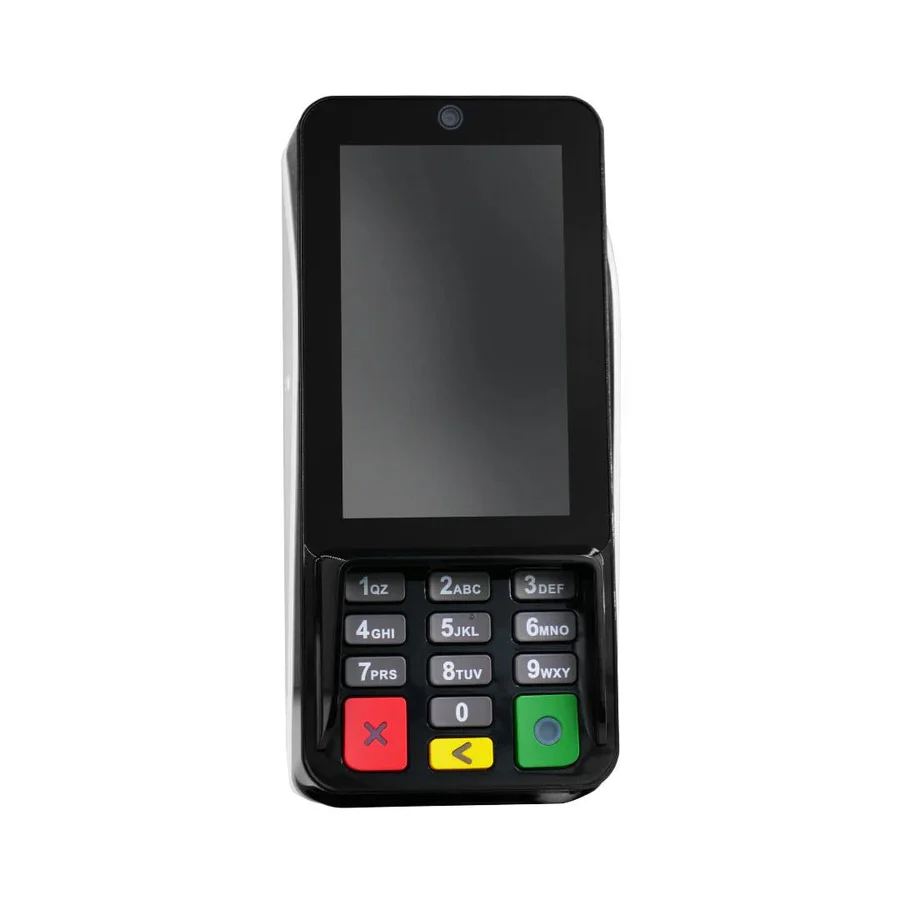
Integrated payment processing ensures that transactions are secure, fast, and versatile. Customers can pay using credit/debit cards, mobile wallets, or contactless payment methods. With reliable POS systems, restaurants can reconcile payments automatically, reducing accounting errors and increasing transparency.
Inventory Tracking
POS systems help track ingredient usage, monitor stock levels, and alert staff when items run low. Automated inventory management reduces waste, ensures consistent menu availability, and saves money on excess purchases.
Employee Management
Restaurants can use POS systems to monitor staff schedules, track work hours, and evaluate performance. This helps optimize labor costs and ensures that employees are deployed effectively during peak hours.
Benefits For Restaurants And Small Businesses
POS systems deliver measurable advantages for small businesses in the food and beverage industry:
Improved Efficiency
Automating order entry and payment processing reduces wait times, allowing staff to focus on customer service. Faster service improves table turnover and enhances the overall guest experience.
Enhanced Accuracy
A digital system minimizes mistakes from handwritten orders or manual calculations. Accurate billing and order tracking lead to satisfied customers and fewer disputes.
Better Reporting And Analytics
Modern POS software generates detailed reports on sales, popular menu items, peak hours, and customer preferences. These insights help restaurant owners make data-driven decisions to optimize operations and boost profits.
Loyalty And Customer Engagement
Many POS systems include integrated loyalty programs and marketing tools. Restaurants can track repeat customers, offer personalized promotions, and gather feedback to enhance customer satisfaction.
Scalability And Integration
A POS system grows with your business. Whether you operate a single café or a chain of restaurants, POS software can integrate with online ordering platforms, accounting systems, and third-party delivery services, streamlining operations across multiple channels.
Choosing The Right POS System
Selecting the best POS system for a restaurant involves considering several factors:
Ease of Use: A user-friendly interface ensures quick adoption by staff and reduces training time.
Hardware Compatibility: Ensure the POS supports terminals, tablets, receipt printers, and cash drawers that match your operational needs.
Payment Flexibility: Accepting multiple payment methods helps meet customer expectations.
Security Features: Data encryption and secure payment gateways protect sensitive information.
Support And Updates: Choose a vendor that provides ongoing technical support and software updates.
Common POS Systems For Restaurants
Several POS solutions are popular among restaurants and small businesses due to their robust features and reliability. Examples include Square, Toast, Lightspeed, and Clover. These platforms offer cloud-based management, mobile capabilities, and advanced reporting tools, helping restaurants stay competitive and responsive to customer demands.
Optimizing Operations With POS Insights
One of the most valuable aspects of a POS system is the actionable insights it provides. By analyzing sales trends, restaurants can optimize menu offerings, manage inventory more effectively, and plan staffing schedules around peak hours. This data-driven approach enhances operational efficiency and increases overall profitability.
Conclusion
Implementing a Point of Sale (POS) for business in restaurants offers significant advantages, from streamlined order management and secure payment processing to inventory control and data analytics. These systems help small businesses improve efficiency, reduce errors, and deliver an enhanced customer experience. With the right POS system, restaurants can optimize daily operations, make informed decisions, and maintain a competitive edge in a fast-paced market. Investing in a modern POS solution ensures smooth operations, satisfied customers, and sustainable growth for foodservice establishments of all sizes.


Comments
Post a Comment